USA Based Manufacturer
Fast & Reliable Shipping
Premium Quality
Start With the Activity. Build Around the Wearer.
Your Branding, Developed Around an Active Brief
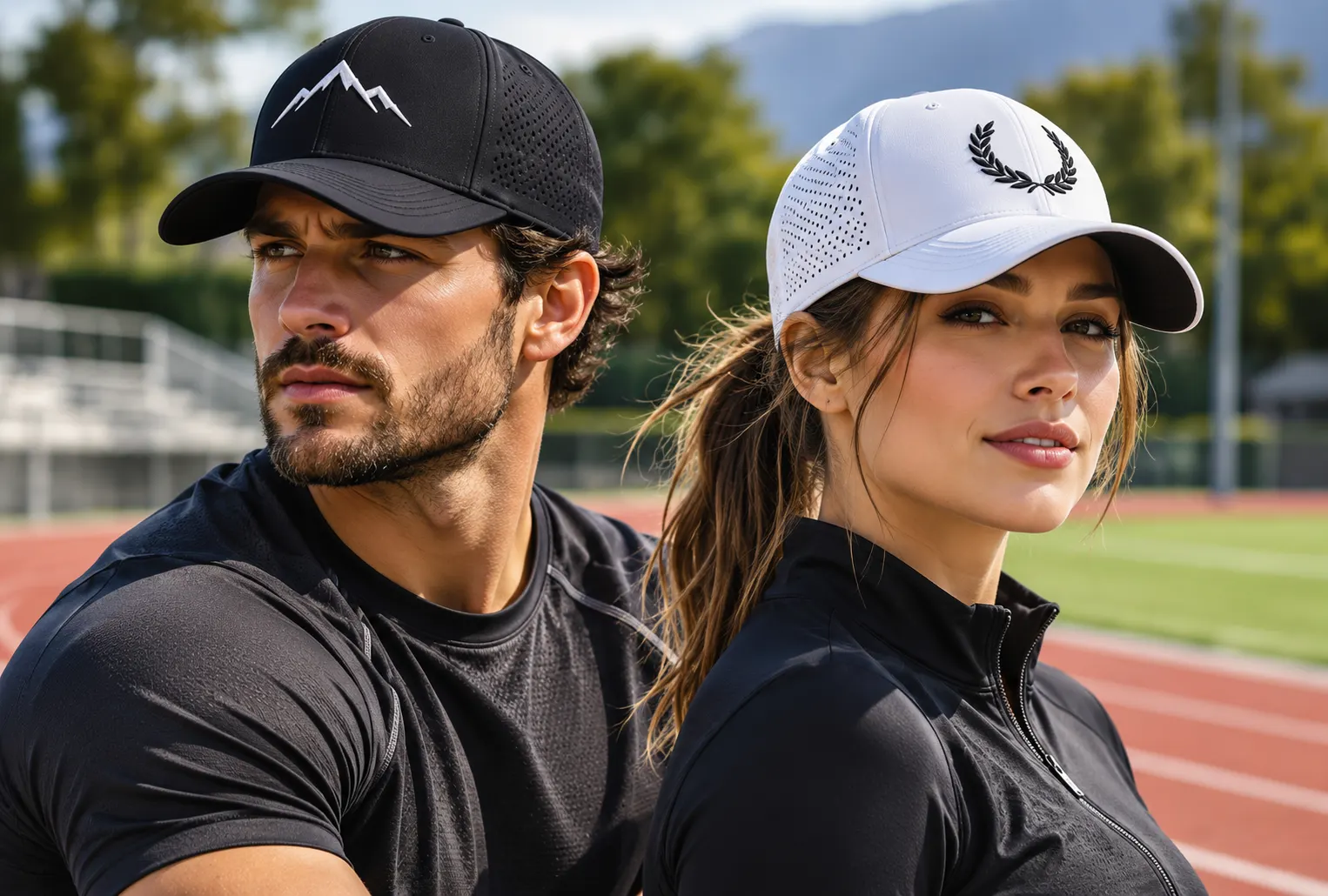
Create custom performance caps with the intended activity at the center of the design. Whether you are planning headwear for running groups, golf events, fitness teams, or an activewear collection, start by defining how the cap needs to fit and function.
Discuss fabric weight, ventilation, sweatband construction, brim shape, and closure alongside your logo. Where your project requires moisture management, drying performance, or weather-related properties, include those requirements so suitable materials can be assessed.
Share your artwork and activity brief with USA Custom Caps to begin planning personalized performance hats for your team, brand, or event.
Logo Embroidery & Patches
Structured & Relaxed Fits
Custom Colors & Details
Team & Business Orders
10+
Minimum Order
24h
Free Mockup
50
States Shipping
Free
Mockup
in 24h
★ ★ ★
Match the Specification to the Use
An active-use cap needs a clear brief. Weight, fit, airflow, moisture handling, and brim behavior may each matter differently depending on the activity and wearer.
A running group may prioritize a low-bulk construction and secure adjustment. A golf event may place greater emphasis on a particular profile, sweatband, and club branding. A fitness brand may need a cap that fits both its product specification and visual identity.
Treat these as separate requirements, then bring them together. This helps you choose a construction for a defined purpose rather than relying on “performance” as a complete description.
Define the Properties You Need
Share your priorities for fabric weight, drying, moisture movement, or weather resistance.
Confirm the relevant properties for the actual material and finished construction selected for your order.
Plan Where Air Can Pass Through
Explore suitable mesh sections, perforated materials, or other ventilation details.
Their location and coverage should work with the panel layout, reinforcement, and decoration.
Balance Hold and Comfort
Crown depth, opening measurements, closure adjustment, and any stretch components influence fit.
Assess the cap in the intended wearing position rather than choosing by size label alone.
Consider Weight and Coverage
Dense embroidery and heavy patches can change the feel of a light panel.
Choose a logo treatment that communicates your identity while respecting the construction priorities.
Build Your Identity Into the Brief
Select decoration alongside the fabric and activity requirements. A method that works on a firm cotton front may behave differently on a light, stretchy, perforated, or treated material.
A Stitched Finish for Suitable Panels
Add a wordmark, emblem, or initials with direct embroidery where the material and construction allow.
Review stitch coverage, supporting materials, and placement carefully, especially when keeping the cap light or flexible is important.
Create a Defined Logo Area
Explore suitable woven or other low-profile patches for selected designs. Compare the finished weight, flexibility, backing, and attachment method.
A patch should be assessed as part of the complete construction, rather than assumed to be lighter than direct decoration.
Explore Graphic Branding
Discuss compatible printing or transfer methods for logos, illustrations, and multicolor artwork.
Heat sensitivity, stretch, surface treatments, adhesion, and the intended care method all influence compatibility.
Raised Detail for Selected Constructions
Puff embroidery can be assessed for appropriate artwork and firmer front panels.
It may be less suitable where the main priorities are minimal bulk, a soft front, or a highly flexible surface. Confirm the balance required for your project.
Explore a Specific Material Treatment
Ask about suitable reflective artwork or trim where it forms part of your design brief.
Reflective decoration should not be presented as certified high-visibility protection unless the relevant product requirements and evidence support that claim.
Organize Team and Event Details
Add assessed options for names, initials, squad identifiers, or sponsor logos.
Plan each position around ventilation, seams, the closure, and available decoration space. Provide a checked personalization list before approval.
Specify the Complete Product
Begin with the activity, conditions, and wearer group. Then define the construction and any properties that need to be supported by material information or product testing.
Final options depend on the selected materials and development route.
Intended Activity
Running, golf, training, walking, events, or another clearly defined use
Crown Profile
Height and depth developed around the intended fit
Wearing Conditions
Expected temperature, exposure, duration, and environment
Crown Structure
Soft or reinforced sections according to the design
Main Fabric
Polyester, nylon, suitable blends, or other assessed materials
Panel Layout
Selected around fit, ventilation, and decoration
Fabric Weight
Confirmed against the desired feel and construction
Stretch Components
Location and stretch range specified where included
Moisture Management
Specified and supported for the selected material where required
Brim
Length, shape, stiffness, and recovery requirements
Drying Properties
Assessed separately from fiber composition
Closure
Strap, hook-and-loop, snap, elastic, or other suitable construction
Ventilation
Mesh, perforation, eyelets, or other suitable details
Size Range
Opening measurements and adjustment range
Sweatband
Composition, structure, coverage, and any confirmed properties
Color choice alone does not establish cooling, visibility, or protective performance. Specify any such requirements separately.
Send the Specification With Your Design Brief
If your project requires a particular fabric property, test method, rating, or finished-product standard, provide it before materials are selected.
This helps distinguish a visual preference from a measurable requirement and supports a more accurate quotation.
Designed Around the Activity
Develop each cap around the intended wearer and use rather than assuming one construction suits every activity.
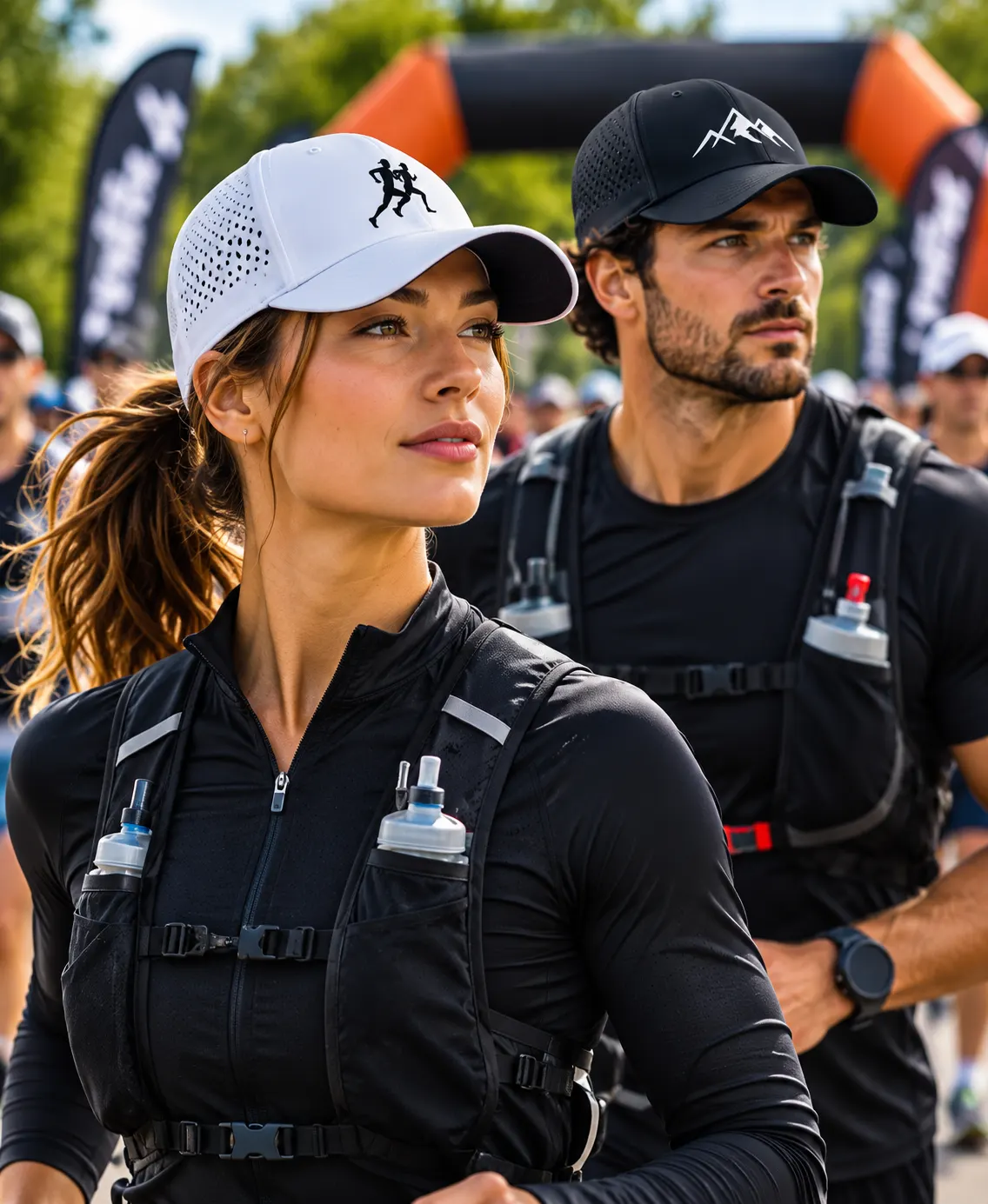
Plan caps for club training, race merchandise, or event staff. Define priorities such as fit adjustment, fabric weight, ventilation, and brim behavior.
Include whether the cap will be worn during activity or used primarily as merchandise.
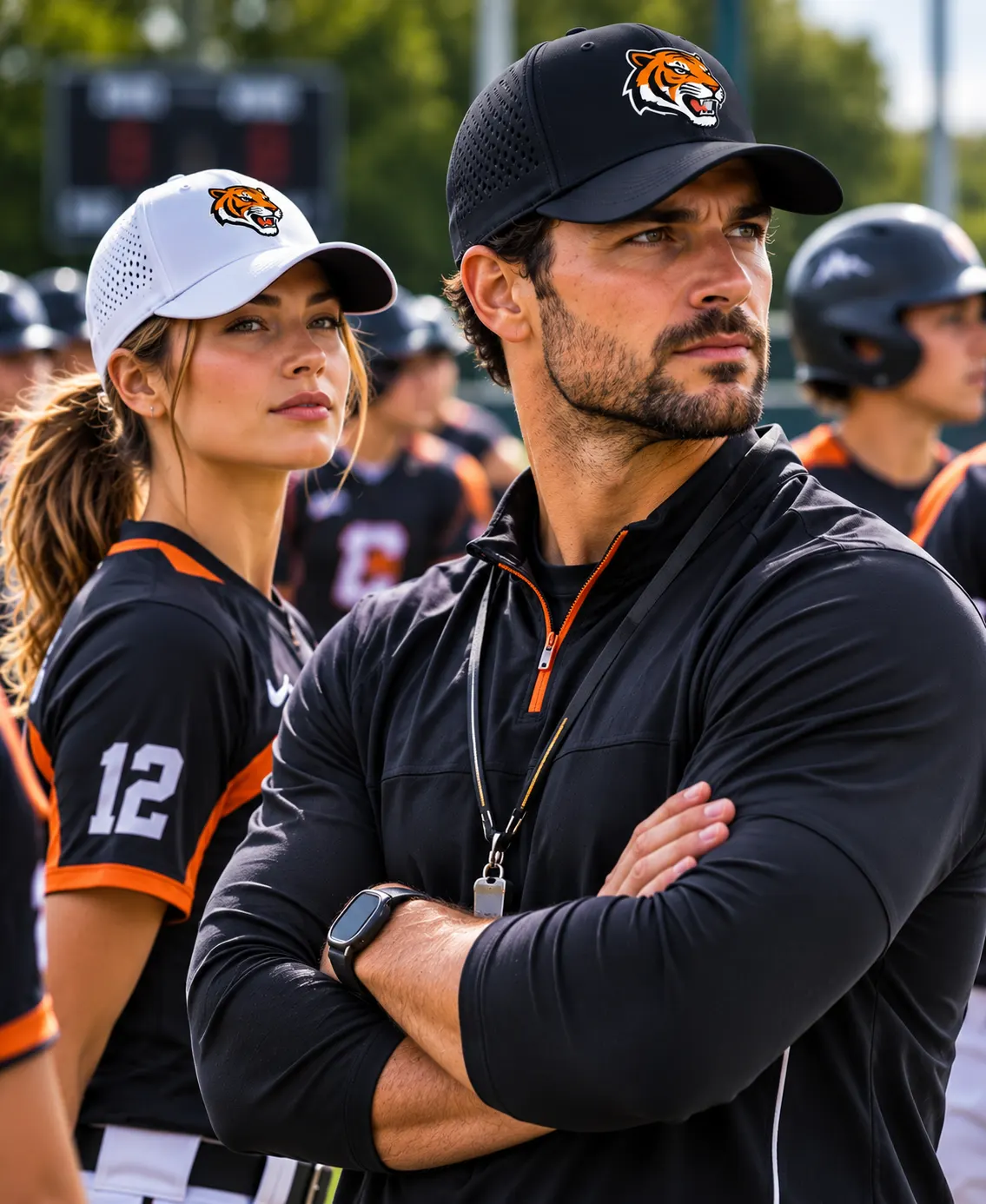
Build a shared identity for suitable training use, travel, coaching, and team events. Different wearer roles may need separate construction or fit considerations.
Organize logos, personalization, and size allocations before approval.
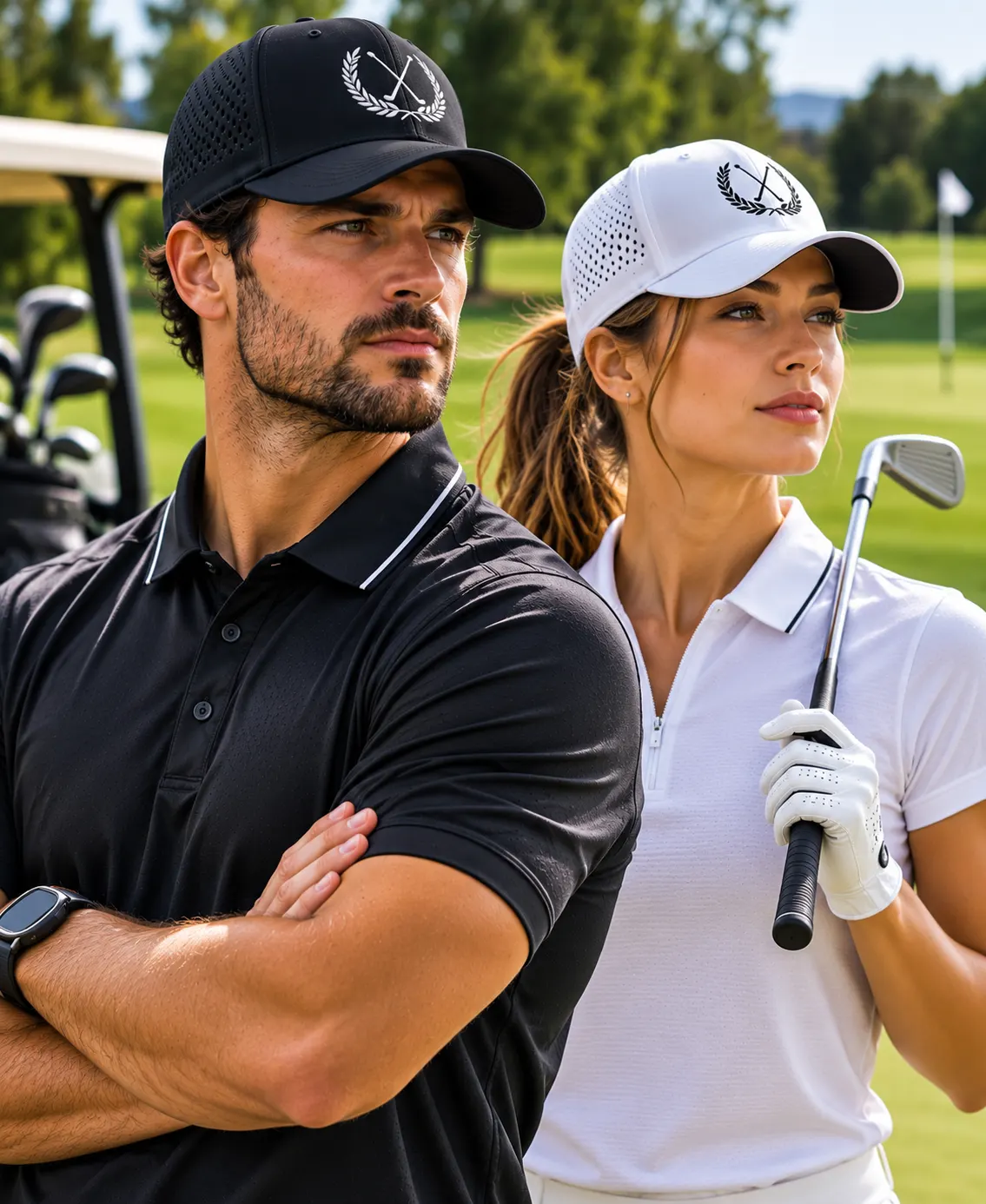
Create coordinated headwear for members, teams, guests, and tournament participants. Balance club branding with the preferred fit and material requirements.
Share sponsor positions and fixed event dates early.
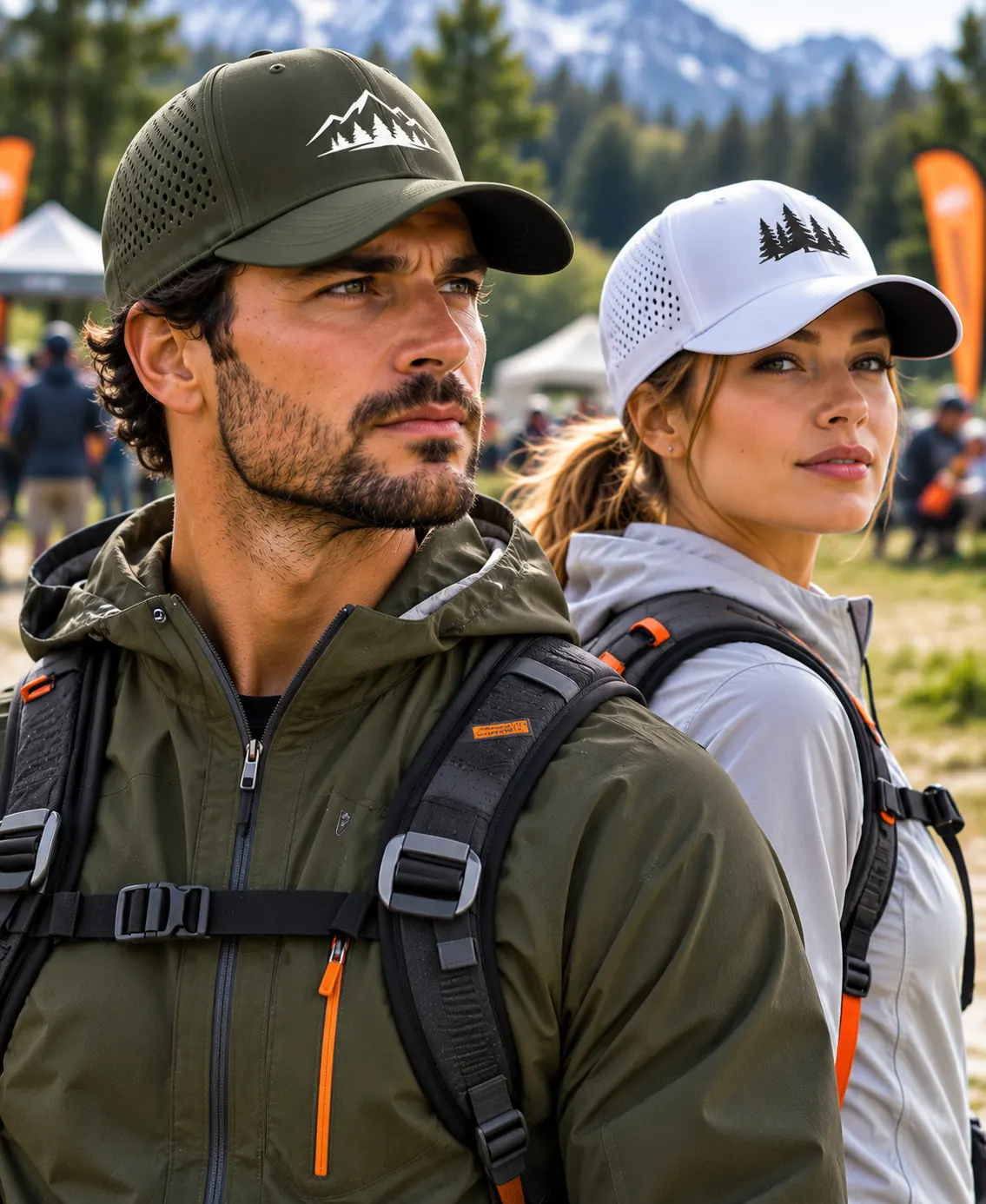
Create headwear for walking groups, community challenges, and organized activities. Describe the conditions and wearing duration when discussing materials.
Treat weather resistance or UV protection as separate requirements requiring confirmation.
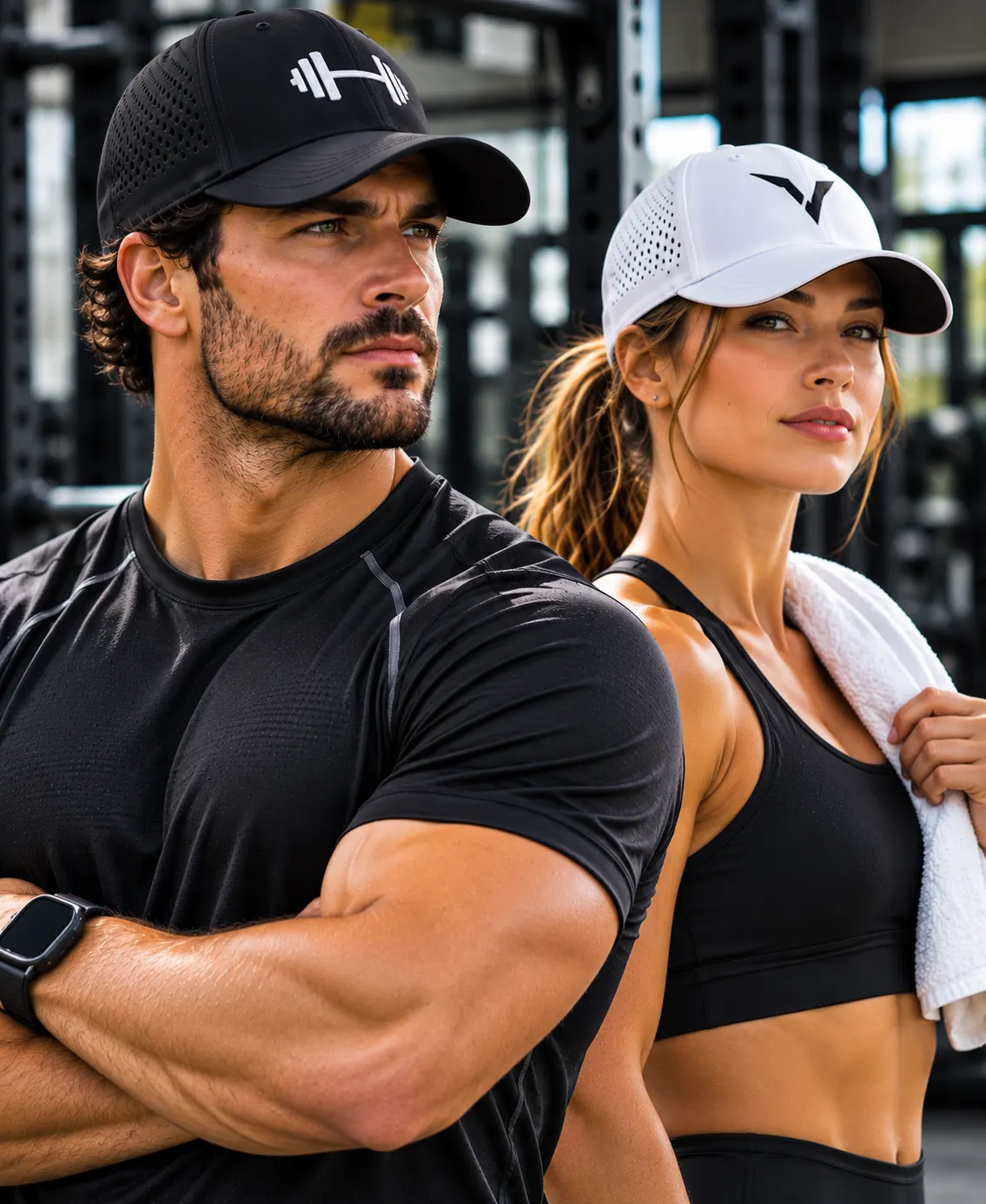
Develop caps as part of an activewear collection. Coordinate the silhouette, branding, and finishing with your wider product range.
Provide the intended activity and any material specifications rather than relying on a general performance label.
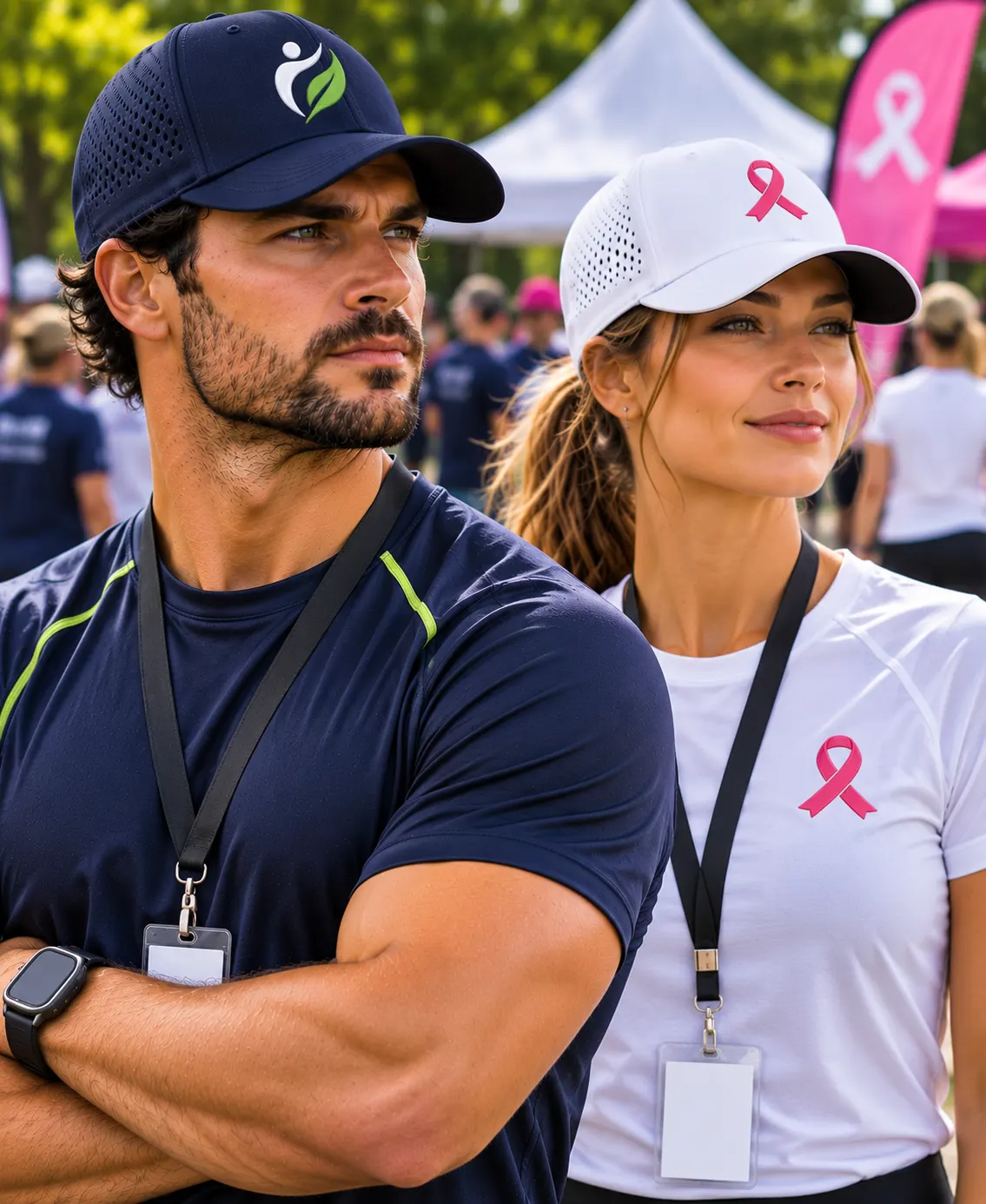
Develop branded caps for staff activities, fundraising events, and participation packs. Connect the campaign identity with a clearly defined product brief.
Share quantities, audience, budget priorities, and distribution requirements.
From Activity Brief to Finished Cap
Four simple steps between your idea and your brand-new custom baseball caps.
1
Start With the Wearer and Conditions
Tell us the activity, wearer group, expected conditions, and priorities. Include any specific material properties or test requirements.
Share the estimated quantity, preferred silhouette, colors, and size range.
2
Plan Compatible Branding
Upload your logo and identify the required positions. Include approximate dimensions, color references, and sponsor artwork.
The decoration can then be assessed alongside the fabric, ventilation areas, and construction.
3
Check the Product as a Whole
Review the material specification, fit, closure, brim, artwork placement, and finishing.
Where sampling is included, assess the decorated cap rather than relying only on a blank product or digital mockup. Confirm any agreed verification requirements.
4
Produce the Approved Specification
Production follows the agreed construction, branding, and quantity breakdown.
Confirm packaging, destination, and the schedule with your order. Share race, tournament, and launch deadlines during the initial inquiry.
Understand the Specification Before You Order
Compare Your Headwear Options
Choose the construction around the activity, wearer, and appearance you need.
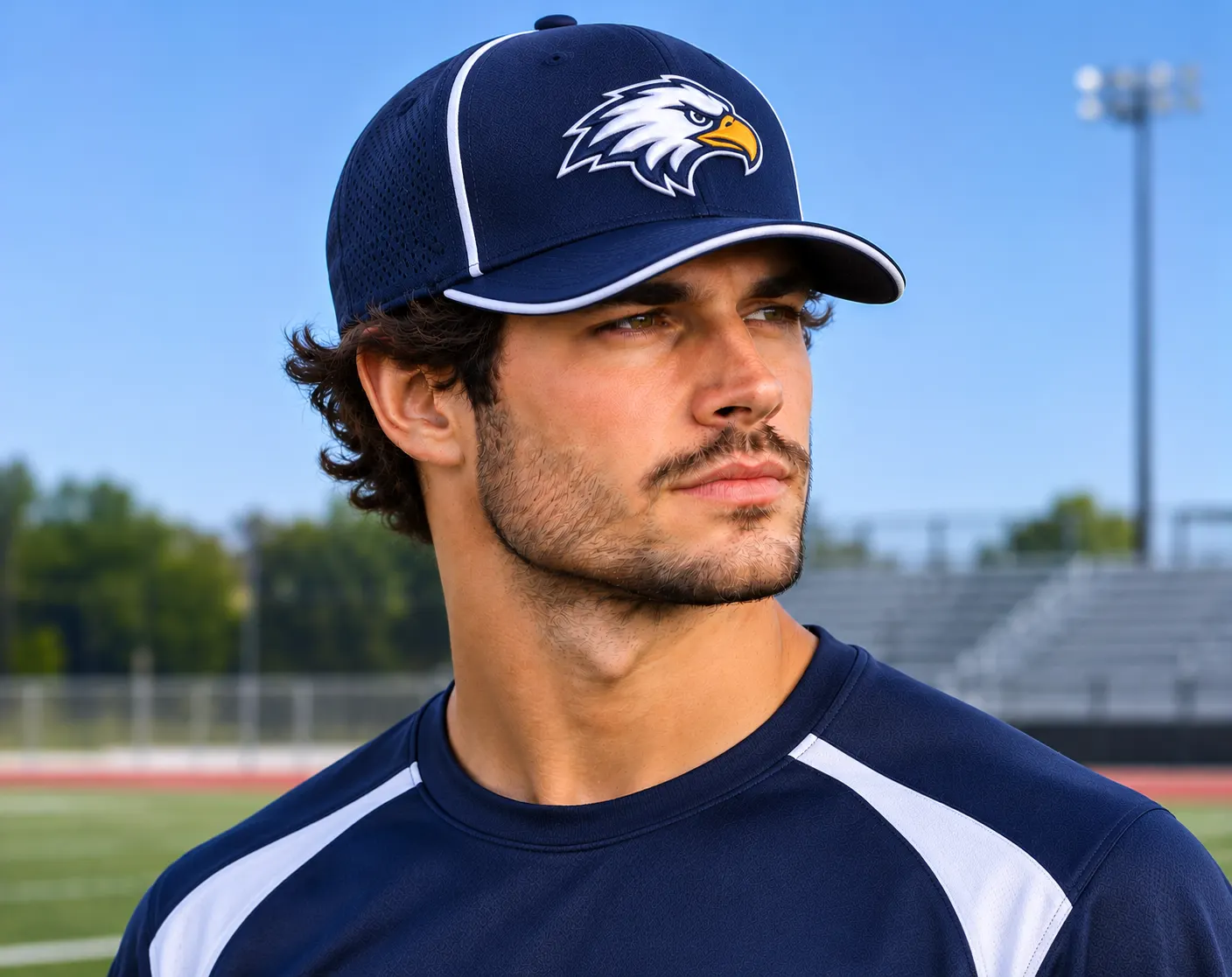
Develop coordinated headwear for teams, coaches, supporters, and events. Specify the intended use alongside the branding.
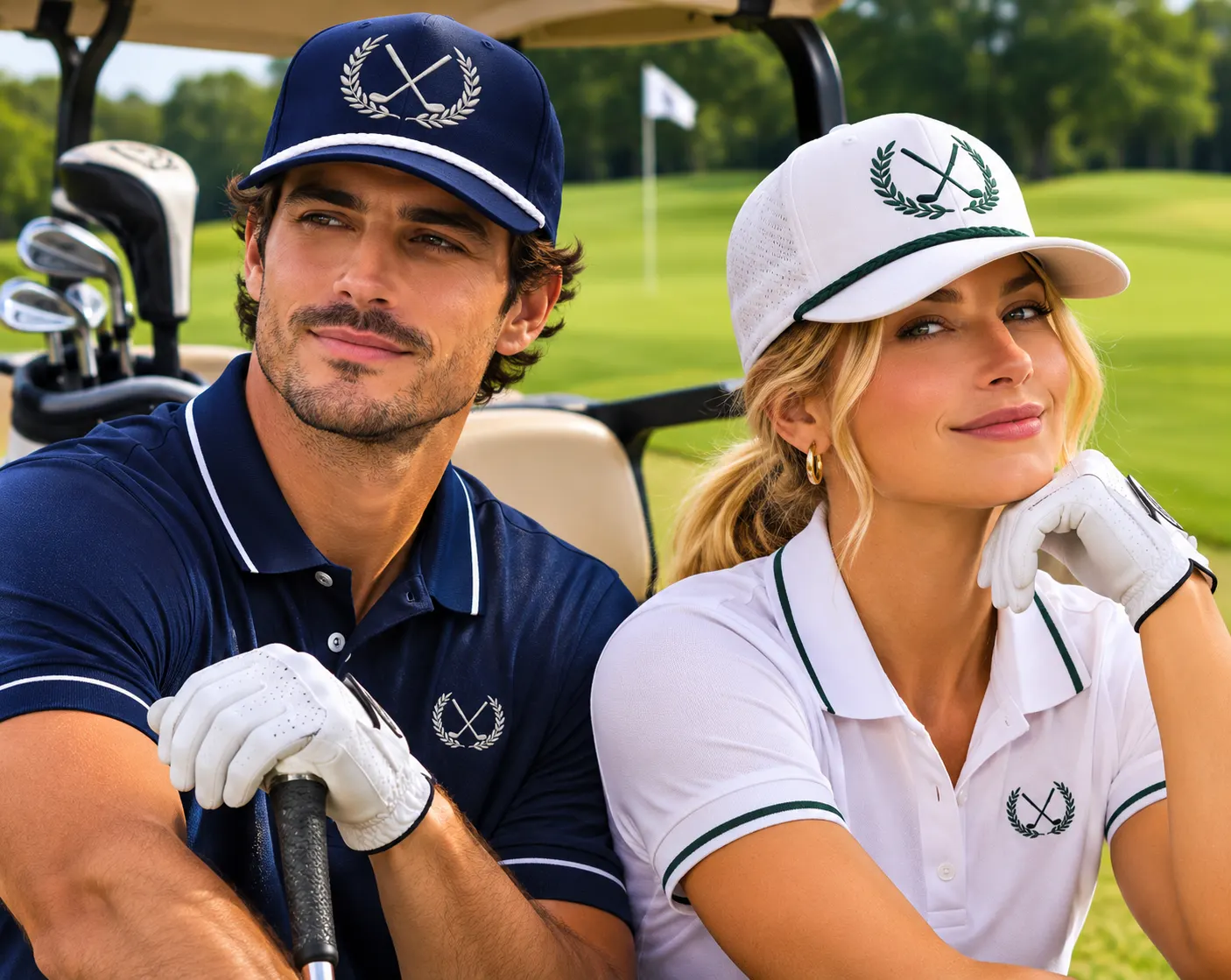
Plan headwear for clubs, tournaments, and golf merchandise. Coordinate the crest, sponsor details, fit, and material requirements.
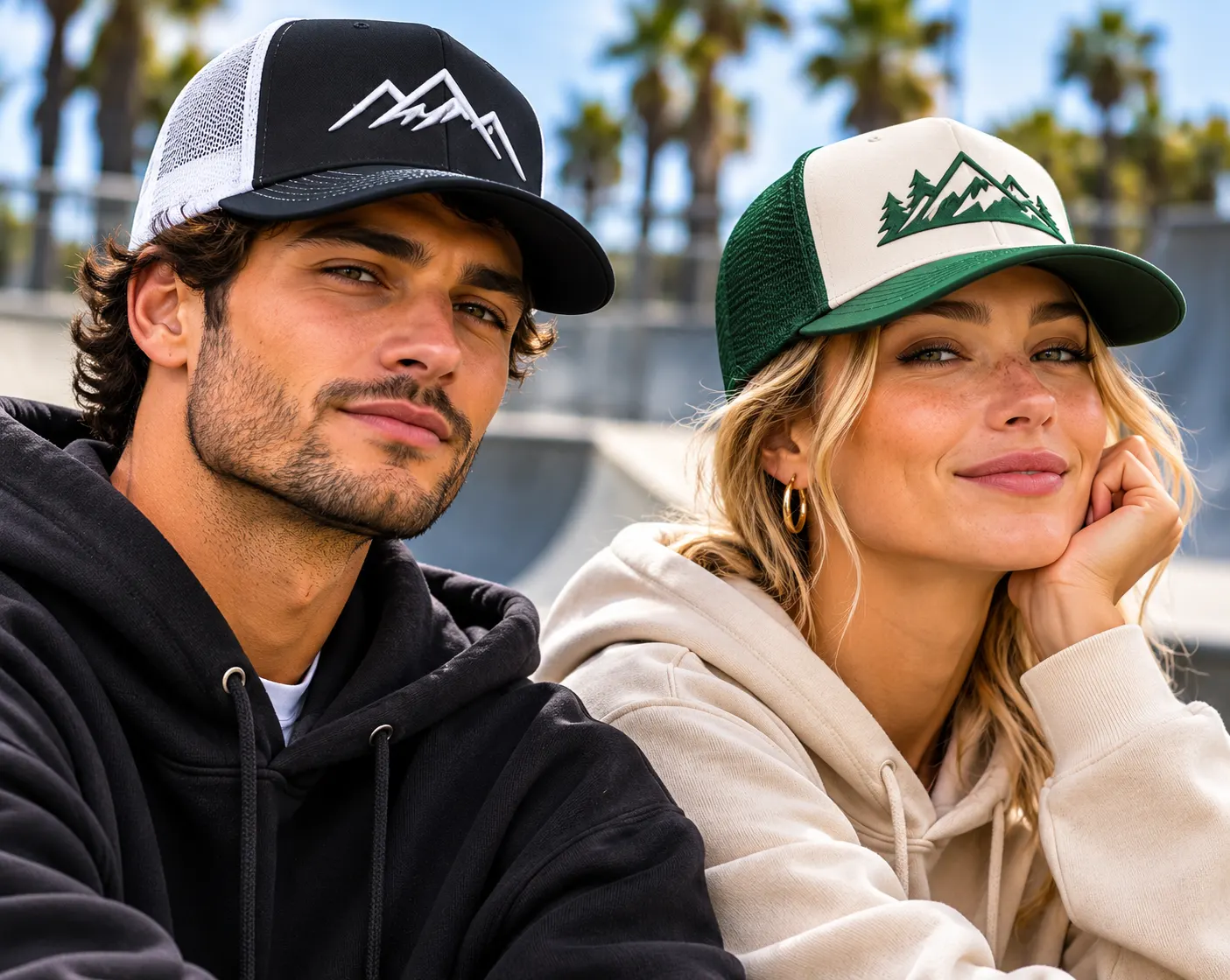
Explore a fabric or foam front with mesh rear panels. Assess the complete construction rather than assuming mesh alone defines performance.
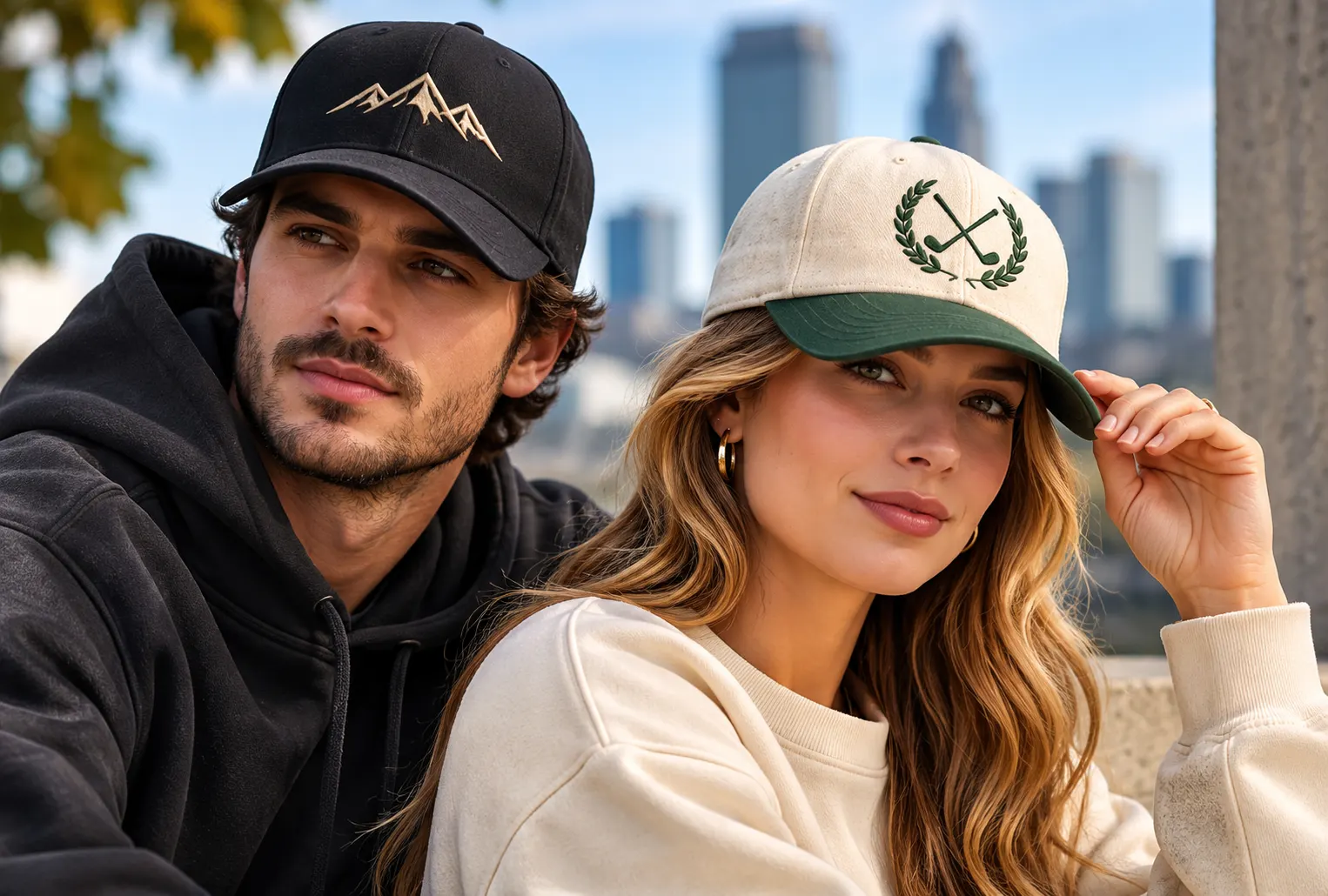
Choose a familiar silhouette with different crown structures and closures. Develop the materials and decoration around your brief.
Let’s Define What Your Cap Needs to Do
Bring your activity brief, artwork, fit requirements, and deadline together in one inquiry.
Identify which features are essential and which are preferences. That distinction helps develop a clear specification and a more useful quotation.
Estimated quantity and color breakdown
Preferred crown, fabric, and closure
Logo files and decoration positions
Any labels, hangtags, or packaging
Required date and delivery destination
Call Us
Email Us
Get a quick, no-obligation quote for your custom caps. Free digital mockup in 24 hours.