USA Based Manufacturer
Fast & Reliable Shipping
Premium Quality
Distinctive Texture. Your Signature Details.
Give Your Branding a Different Feel
Bring texture into your headwear collection with custom corduroy caps. The fabric’s raised ribs create depth and character, giving even a simple colorway a distinctive appearance.
Choose the crown shape, brim, rib texture, and closure, then develop your branding around the surface. A compact embroidered emblem, contrasting wordmark, or considered patch can make the cap recognizable while allowing the corduroy to remain part of the design.
Share your artwork and references with USA Custom Caps to begin planning personalized corduroy hats for your clothing brand, business, club, or event.
Logo Embroidery & Patches
Structured & Relaxed Fits
Custom Colors & Details
Team & Business Orders
10+
Minimum Order
24h
Free Mockup
50
States Shipping

Free
Mockup
in 24h
★ ★ ★
Let the Material Contribute to the Design
Corduroy introduces a visible surface pattern before any decoration is added. Its parallel ribs catch light differently across the cap, creating variation that changes with the viewing angle.
That texture can support different design directions. Fine ribs and a small tonal emblem create a restrained finish. More pronounced ribs and a contrasting patch give the fabric and branding equal presence. A washed effect can introduce another layer of character where suitable finishing is available.
Choose the material and artwork together. Rib width, fabric weight, and decoration coverage influence both the appearance and feel of the finished cap.
Choose the Scale of the Texture
Fine ribs create a different appearance from wider, more pronounced channels. Review the actual fabric rather than relying only on a photograph.
The rib scale should complement the cap shape and logo dimensions.
Consider the Fabric’s Directional Appearance
Corduroy’s surface can appear lighter or darker as the pile and viewing angle change.
Assess color using physical material where accuracy matters, especially when coordinating thread, patches, and other garments.
Choose the Construction Separately
Corduroy describes the fabric rather than the cap pattern. Explore suitable dad-cap, baseball, five-panel, or snapback constructions.
Define the crown depth, structure, and brim profile independently from the material.
Keep the Artwork Clear
A ribbed surface can affect small lettering and fine details. Choose an appropriate logo size or explore a patch or label where it better supports the design.
Keep decoration coverage proportionate to the intended soft or structured finish.
Develop Your Signature Finish
Choose a decoration method that complements the ribs instead of assuming the fabric behaves like smooth twill. Artwork detail, scale, and placement deserve particular attention.
A Stitched Finish for Your Logo
Add a suitable wordmark, initials, or emblem with direct embroidery. Contrasting thread can separate the design from the textured background.
Fine lines and small lettering may need adjustment so they remain clear across the raised ribs.
Understated Branding Through Texture
Use thread close to the fabric color for a subtle finish. The stitched logo creates a different surface within the corduroy.
Review the physical combination, since thread sheen, pile direction, and lighting can influence visibility.
Explore Raised Detail Where Suitable
Puff embroidery can be assessed for bold lettering and simple shapes on appropriate constructions.
The corduroy pile, rib scale, and crown reinforcement affect suitability. Fine details may need flat stitching or another treatment.
Give the Artwork Its Own Background
A patch can provide a defined area for a logo against the ribbed fabric. Woven and embroidered constructions offer different textures and levels of detail.
Choose the size, border, flexibility, and attachment around the crown’s shape.
Combine Different Surface Textures
Explore a compact badge that contrasts with the corduroy beneath it. Material, thickness, edge finish, and artwork treatment all contribute to the result.
Confirm the actual patch material and ensure its weight suits the cap construction.
Explore Smaller or Alternative Details
A woven label can introduce discreet branding at a suitable seam or edge. Printing requires separate assessment because the ribbed surface and pile may affect application and clarity.
Send the artwork and fabric reference before choosing the method.
Specify the Material and Construction
Corduroy is a fabric construction, not a single fiber composition or weight. Its rib scale, material blend, pile, and finishing all influence how the cap looks and feels.
Use the specifications below to develop your brief. Final options depend on material availability and the selected production route.
Main Fabric
Corduroy with confirmed fiber composition
Crown Profile
Height and depth confirmed against the preferred fit
Rib Scale
Fine, medium, or wider ribs, subject to available materials
Panel Layout
Selected around the silhouette and artwork requirements
Wale Specification
Rib count or approved fabric reference where required
Brim Shape
Curved, flat, or other available profiles
Fabric Weight
Confirmed for the desired structure and feel
Brim Details
Length, stiffness, stitch rows, and underside finish
Surface Finish
Standard, washed, or other assessed treatments
Closure
Buckle strap, snap, hook-and-loop, or suitable alternatives
Pile Direction
Considered when cutting and assembling the cap
Hardware
Color and finish confirmed where selectable
Cap Silhouette
Dad, baseball, five-panel, snapback, or another suitable style
Size Range
Opening measurements and adjustment range
Crown Structure
Soft or reinforced construction
Cream · Olive · Brown · Black · Navy · Rust · Burgundy · Stone
Choose cream embroidery for softer contrast, tonal thread for a restrained finish, or a patch color that connects with your wider collection.
Corduroy can look different depending on light and pile direction. Use an agreed fabric reference when judging the shade.
Send a Close-Up Alongside the Cap Reference
A full-cap image helps explain the silhouette. A fabric close-up shows the rib scale, pile, and finish more clearly.
If you know the fiber composition, weight, or wale count you need, include those details in the inquiry.
Textured Headwear for Your Audience
Develop the fabric, fit, and branding around the people who will wear the cap and the identity it represents.

Create distinctive merchandise, customer gifts, or suitable staff headwear. A compact embroidered logo can introduce the business identity while keeping the fabric visible.
Choose the crown profile and material around the intended use and wearer group.

Create merchandise that connects artwork with a distinctive fabric surface. A simple symbol or short wordmark can give the design a clear focal point.
Provide artwork, quantity requirements, and the delivery deadline during the initial inquiry.

Bring a shared identity into casual club merchandise and group collections. Coordinate the corduroy color with a readable emblem or wordmark.
Confirm the preferred fit and adjustment range before ordering for mixed groups.

Design caps for societies, alumni groups, and campus merchandise. Use approved initials, crests, or short messages that remain readable at the intended size.
Confirm wearer ages and sizing requirements before choosing the style.

Build a textured accessory around your collection’s visual direction. Explore fine ribs, wider corduroy, tonal stitching, contrasting patches, or private-label finishing.
Develop the crown proportions and fabric together so the product feels consistent with your range.
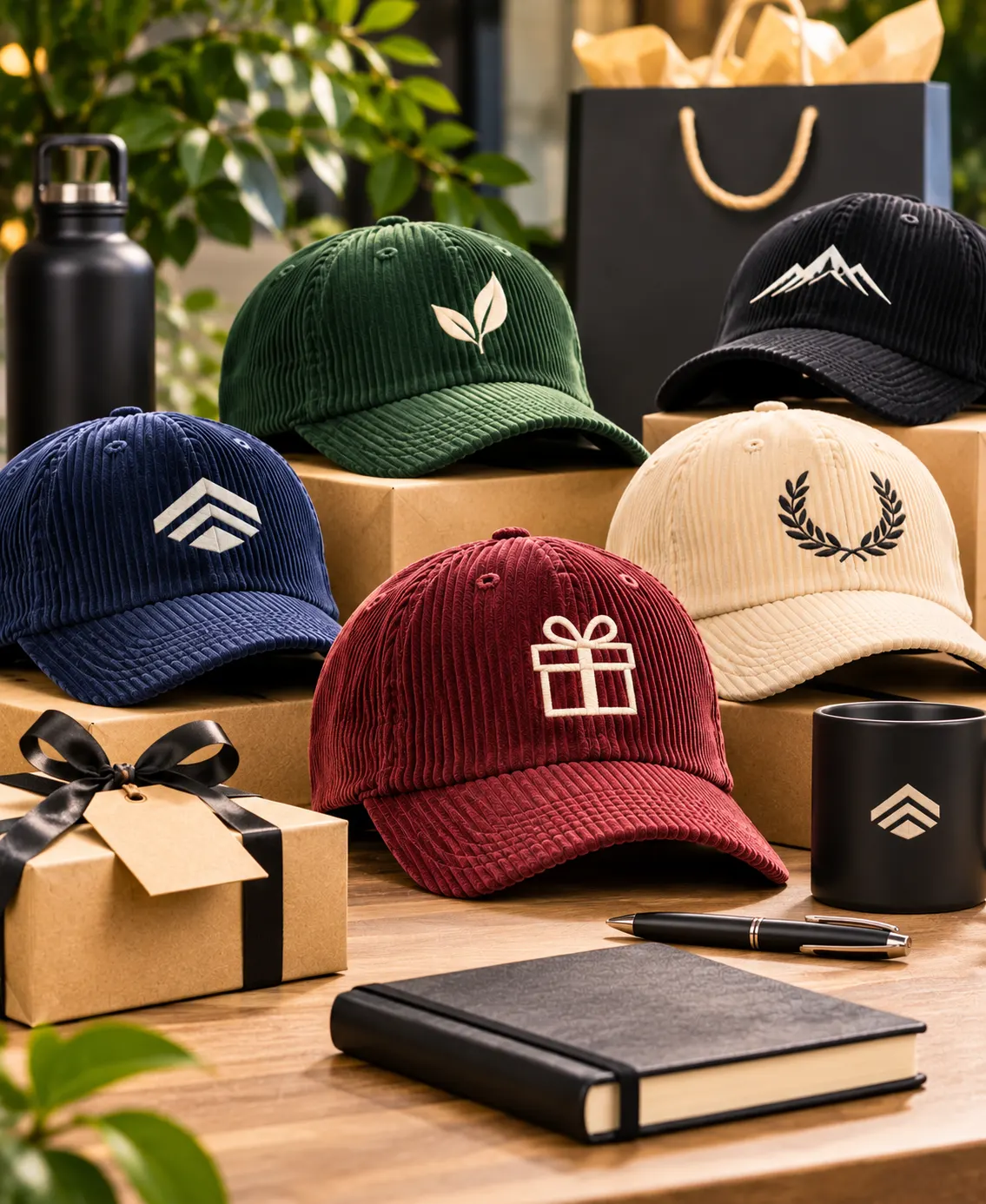
Create a textured alternative for launches, campaigns, and customer appreciation. Keep the main artwork focused and select the specification around your audience and budget.
Include the distribution plan and packaging requirements in your brief.
From Fabric Reference to Finished Cap
Four simple steps between your idea and your brand-new custom baseball caps.
1
Define the Foundation
Share your preferred rib scale, fabric color, cap silhouette, brim, and closure.
Include material close-ups, fit references, estimated quantities, and any specific composition or weight requirements.
2
Plan the Branding Around the Ribs
Upload your logo and identify the required decoration positions. Include approximate dimensions and preferred thread or patch colors.
The artwork can then be assessed against the fabric texture and selected construction.
3
Check the Material and Design Together
Review the fabric reference, colorway, cap shape, logo placement, closure, and finishing.
Where sampling is included, use it to assess the fit, texture, and how the decoration appears on the ribs.
4
Produce the Agreed Specification
Production follows the approved design and quantity breakdown. Confirm packaging, destination, and the project schedule with your order.
Share fixed launch dates or event deadlines before development begins.
Understand the Fabric Before You Order
Compare the Fabric and Silhouette
Looking for a different surface finish or construction? Explore these related options.

Explore a worn-in appearance through suitable fabrics and finishing. Specify the intended fading, texture, and color variation.

Choose a relaxed crown and curved brim. Develop the fabric and branding around a softer everyday silhouette.
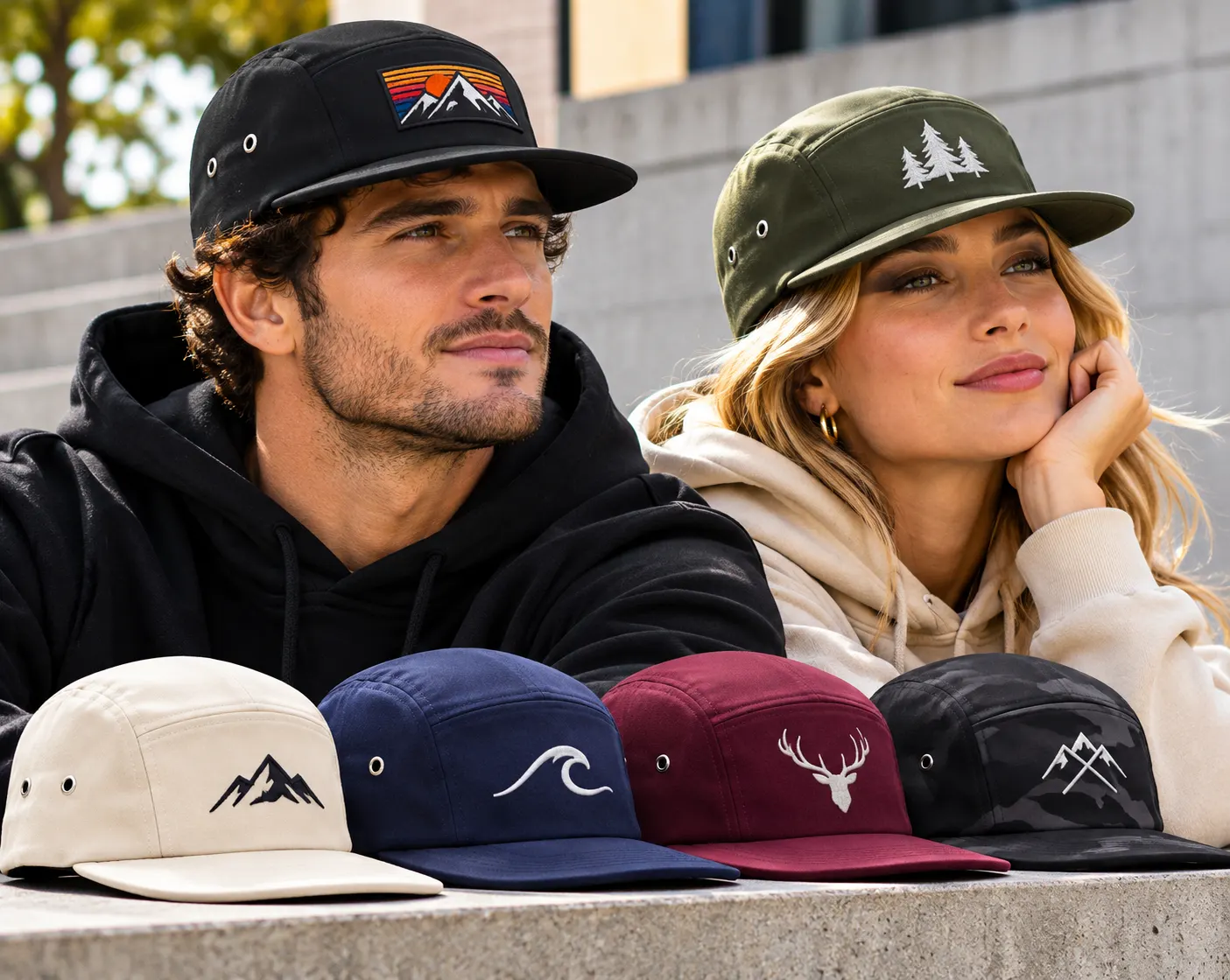
Compare camp and baseball-style patterns with different front-panel arrangements. Use references to clarify the shape you want.

Build the cap around an adjustable snap fastening. Choose the crown, fabric, and brim separately to define the design.
Let’s Bring Texture Into Your Design
Bring your artwork, fabric references, and shape preferences together in one brief.
Tell us whether the rib texture, color, fit, or branding is the main priority. These details help define the right starting point for your project.
Estimated quantity and color breakdown
Preferred crown, fabric, and closure
Logo files and decoration positions
Any labels, hangtags, or packaging
Required date and delivery destination
Call Us
Email Us
Get a quick, no-obligation quote for your custom caps. Free digital mockup in 24 hours.